
|
Teaching and Learning Policy | [pdf 790KB] |

|
Whole School Curriculum Statement
Intent - Big Ideas
Life in all its fullness
At Cam Hopton CE Primary School we aim to celebrate ‘Life in all its fullness’. We are committed to providing a safe, positive environment where individuals are happy and resilient learners and strive to be the best they can be. Our broad and balanced curriculum provides our pupils with opportunities to gain essential knowledge, skills and understanding which will enable them to flourish and reach their full potential academically, physically and artistically.
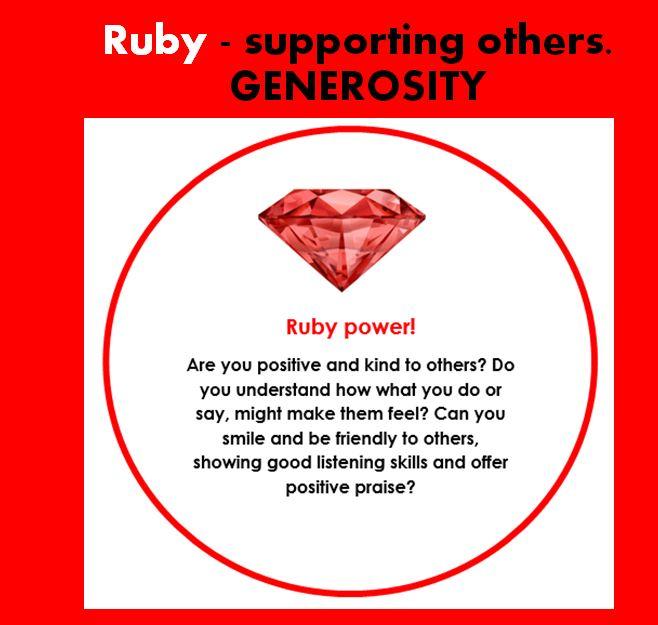
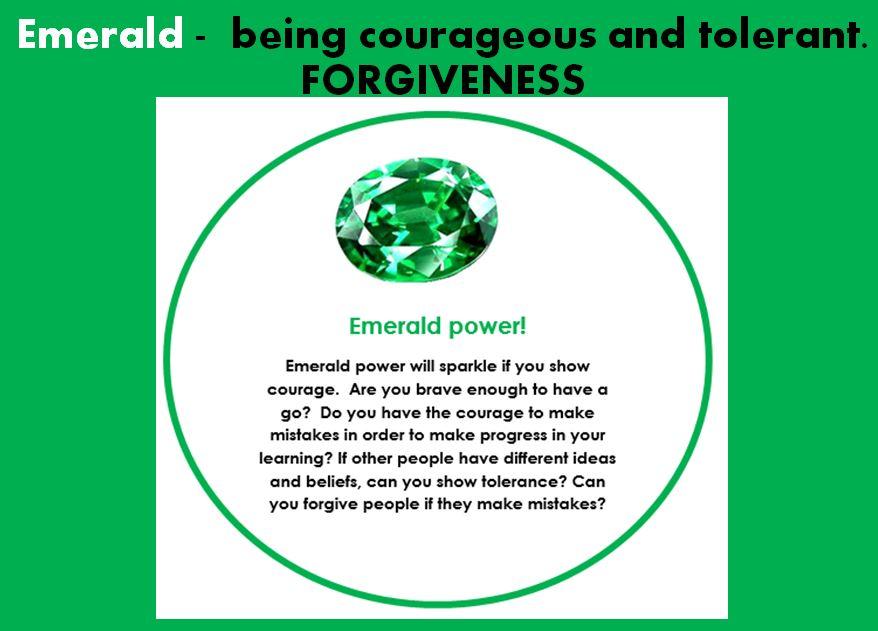
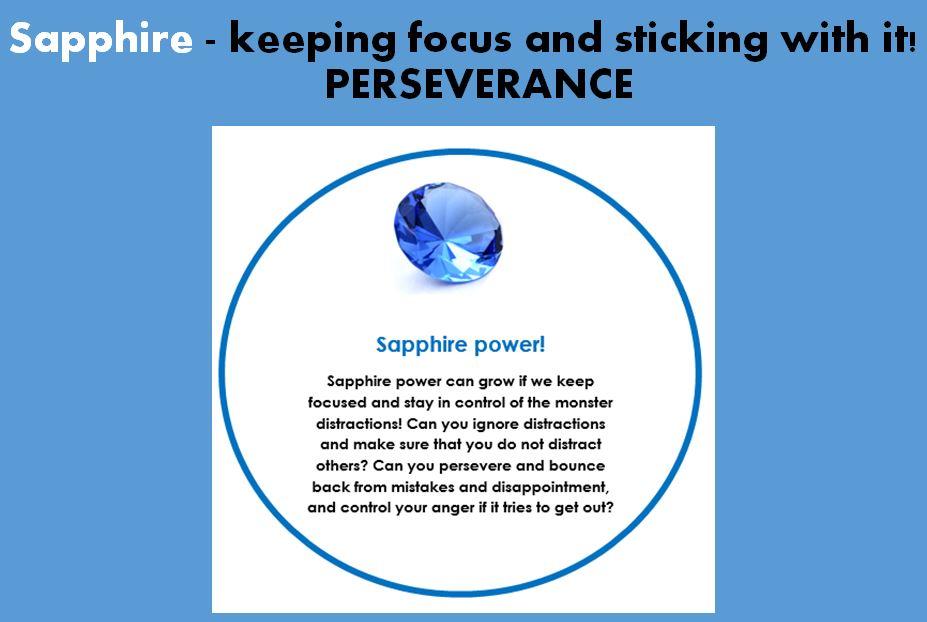
Rooted in our Christian values of respect, creativity, trust, forgiveness, generosity and perseverance, the whole school community works together in partnership to achieve this vision.
Our curriculum encompasses not only the formal elements of the Primary National Curriculum, but goes beyond the experiences of the classroom to ensure that children are exposed to the awe and wonder of the world around them and the richest and most varied opportunities we can find.
Our pupils are the heart of our curriculum design. Our curriculum recognises children’s individuality, as well as identifying and addressing the needs of our community, to make sure that all pupils receive a curriculum that inspires and prepares children academically, socially, and emotionally for the next steps.
Our wider curriculum is based on the Cornerstones Maestro Curriculum. This enables us to select ready designed projects or make our own to create a progressive, integrated and exciting curriculum across our school. It enables subject leaders to monitor breadth and balance and inspires our teachers in their planning and delivery. A rationale of Cornerstones Maestro can be seen by clicking on the PDF link below.
In order to foster positive learning behaviours, a growth mind-set culture and a sense of community, we have embraced the work of Dr Tom Robson, a well renowned educationalist, who has years of experience working with and investigating the way in which children learn.
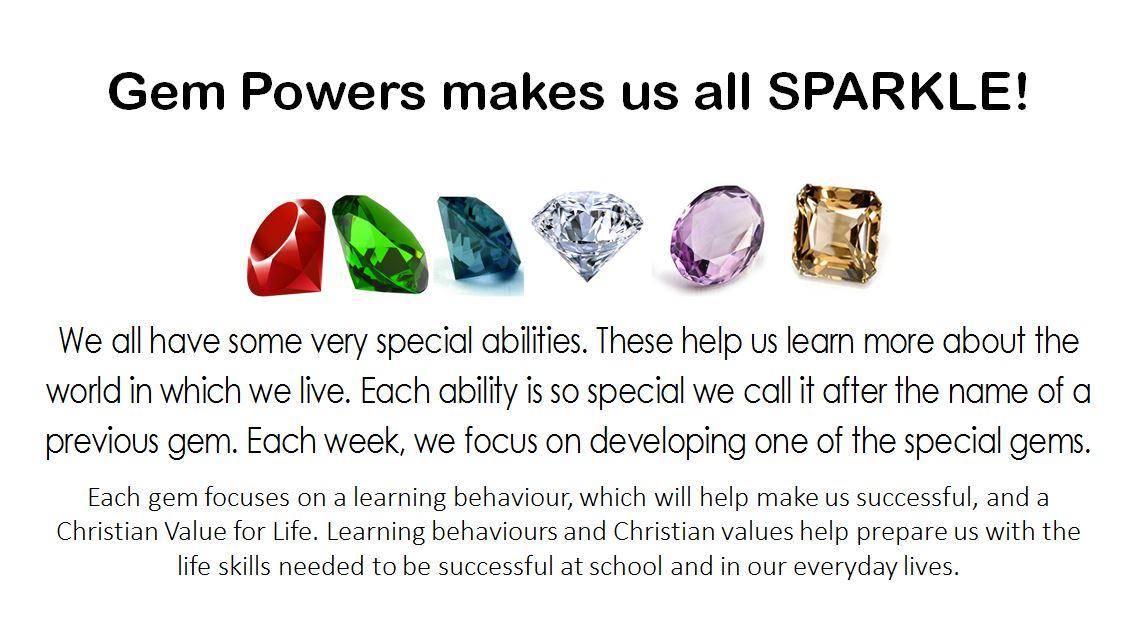
Our children recognise these behaviours as ‘Gem Powers’, which are linked to our core Christian values. This empowers our children to develop key learning behaviours, allowing them to be confident, independent and successful learners, who are guided by our Christian values to experience life in all its fullness.
Principles:
Our curriculum will give children the opportunity to:
- gain the knowledge and skills to become independent, collaborative, confident and successful learners
- develop emotional, social, physical and moral understanding to become positive citizens
- understand the purpose of their learning and see its relevance to their past, present and future
- see clear links between different aspects of their learning
- experience the challenge and enjoyment of learning
- develop a rich and deep subject knowledge and skills appropriate to their starting points
- be given opportunities to problem solve, and engage creatively
- develop new skills, self-esteem, confidence, resilience and a passion to try new things
- have high aspirations for themselves and others
- explore beliefs, faiths, feelings and values
- understand, tolerate, respect and celebrate diversity
- appreciate and understand social and environmental issues
- reflect and think mindfully about their learning
- make choices about things that are important to them
- understand the importance of keeping safe
- understand how to be mentally and physically healthy
- share learning and experiences with their parents/carers
- demonstrate excellent conduct as well as positive learning behaviour
|
|
Cornerstones Curriculum Rationale | [pdf 186KB] |
|
Our school values work together with Gem Powers
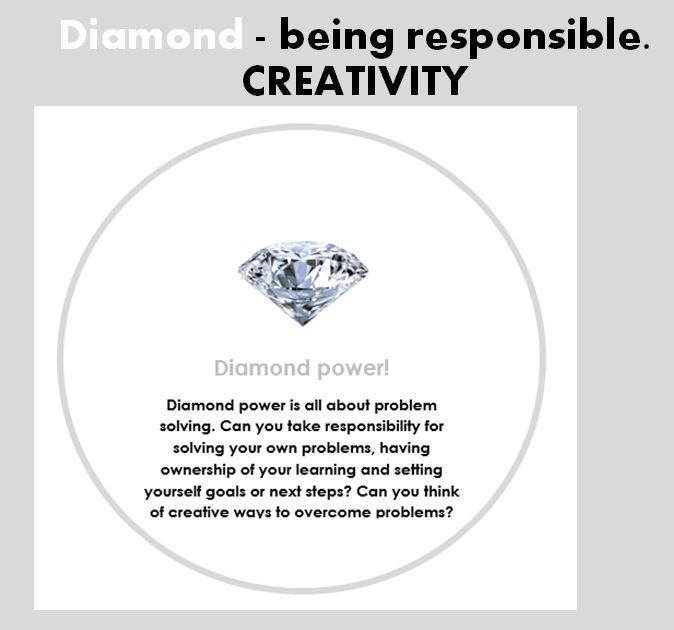
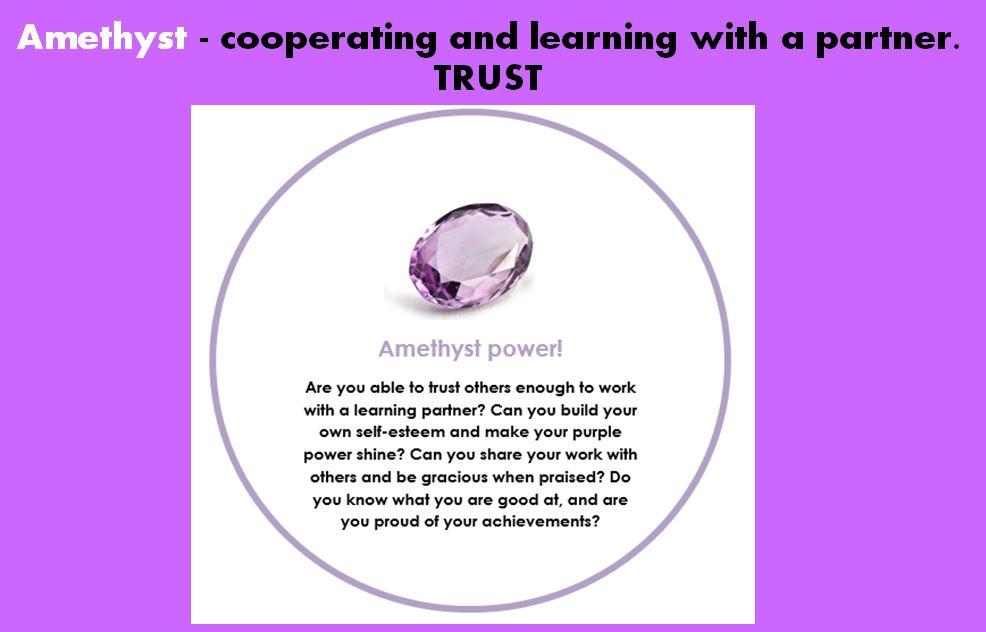
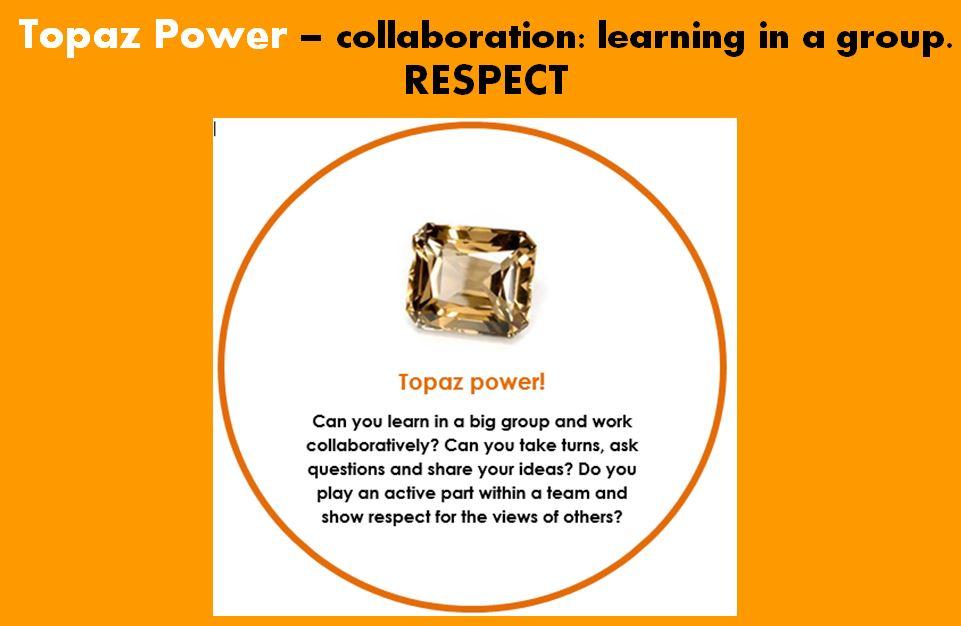
Implementation
As a school, we use the National Curriculum as a starting point, and embellish and deepen further through the use of Cornerstones Curriculum Maestro. At the heart of this is children being exposed to quality experiences and lessons with a large element of choice and need for independent thinking. Homework acts to consolidate learning through choice, and the children are immersed into experiences with visits or off timetable theme days. Parents coming into school to help at regular opportunities bolsters our offer and deepens the experiences further.
Our curriculum design is broad and balanced, and progressively builds on knowledge, skills and conceptual understanding year on year. We believe that our curriculum gives children real opportunities to develop key social skills, to understand the difference between right and wrong, to explore their own spirituality, show respect, celebrate difference and diversity, and understand the values that underpin a democratic society,
Our vibrant and rich curriculum is designed so that specific knowlede, concepts and skills are scaffolded within a cross-curricular theme each term. These themes are developed into learning journeys, which build upon prior knowledge and offer children the opportunity to develop and practise skills as they move up the school. This is achieved through a 4-step process of: Engage, Develop, Innovate, Express.
Through the use of Curriculum Maestro, the implementation of subjects centres around ‘big ideas’ to sculpt and shape the curriculum. These ‘big ideas’ are the foundations of each subject and ensure progression, breadth and balance.
- Humankind - understanding what it means to be human and how human behaviour has shaped the world.
- Nature - understanding the complexities of the plant and animal species that inhabit the world.
- Processes - understanding the many dynamic and physical processes that shape the world.
- Place - understanding the visual, cultural, social, and environmental aspects of places around the world.
- Creativity - understanding the creative process and how every day and exceptional creativity can shape the world.
- Comparison - Understanding how and why things are the same or different.
- Investigations - understanding the importance of investigation and how this has led to significant change in the world.
- Significance - understanding why significant people, places, events and inventions matter and how they have shaped the world.
- Materials - Understanding the properties of all matter, living and non-living.
- Change - Understanding why and how things have changed over time.
Cam Hopton’s curriculum is planned and organised on a half termly basis into a Curriculum Jigsaw for each year group (see Classes and Curriculum). Although some subjects are taught in a more discrete way (Phonics, Music, MFL, PE and RE), the Cornerstones Curriculum enables us to teach through a cross-curricular topic related approach. This includes a Reading Spine, which runs from Reception to Year 6 and links Reading with topics and projects. PSHE/RSE is taught both discretely and running through other subjects. We aim to deliver a language rich curriculum through the use of quality texts, which is at the heart of the school’s successful approach to engage and support children to become motivated and independent learners.
In maths, we teach using a Mastery approach and we are currently part of the GLOW maths project, and use the associated Can Do Maths scheme of work. ‘Kevin the Can Do Koala’ encourages children to use mistakes as opportunities to learn and to think about the power of the word ‘yet’ as in: ‘I can’t do …………yet!’ As we link the school’s Christian values with ‘Gem Powers’ and each gem focuses on a learning behaviour and a value for life, we hope that these will prepare children with the knowledge and life skills needed to be successful at school and in their everyday lives.
We have also planned a bespoke 'Life in All its Fullness' scheme of work, to equip children with skills to enance their daily lives and be successful as members of the community.
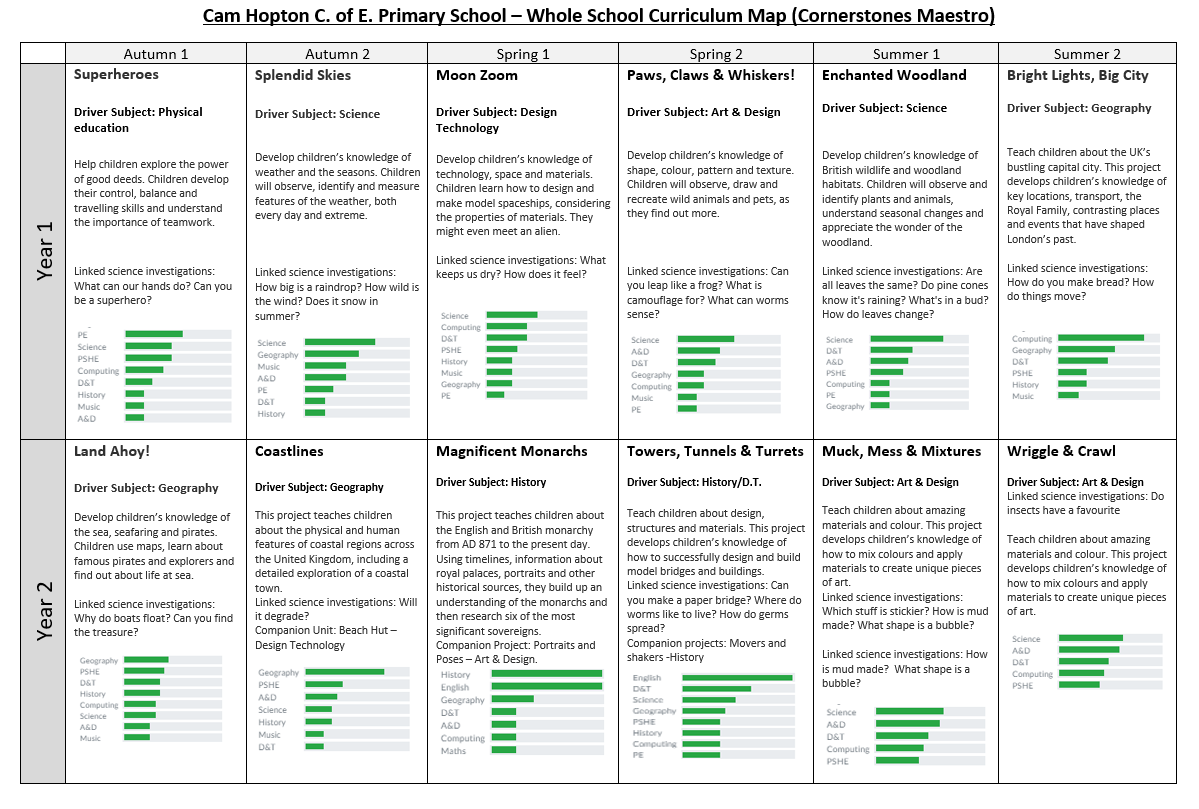
Curriculum Coverage Years 1 and 2
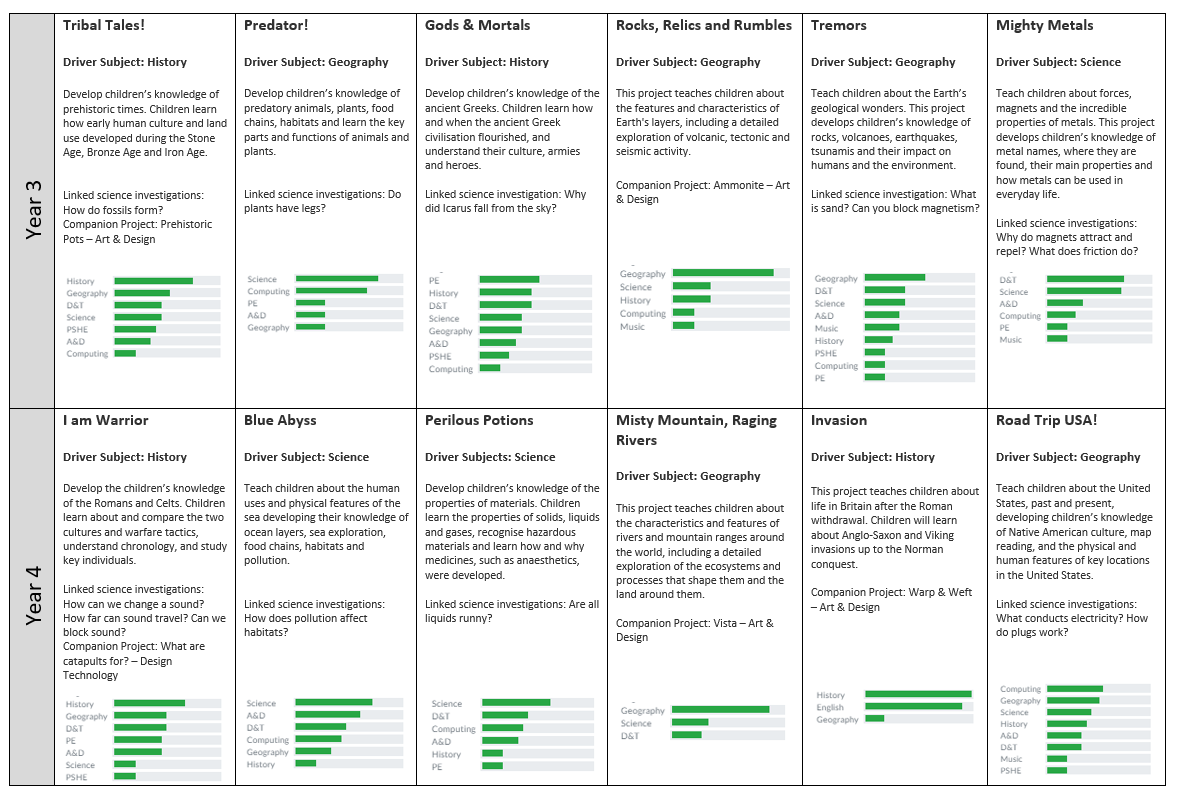
Curriculum Coverage Years 3 and 4
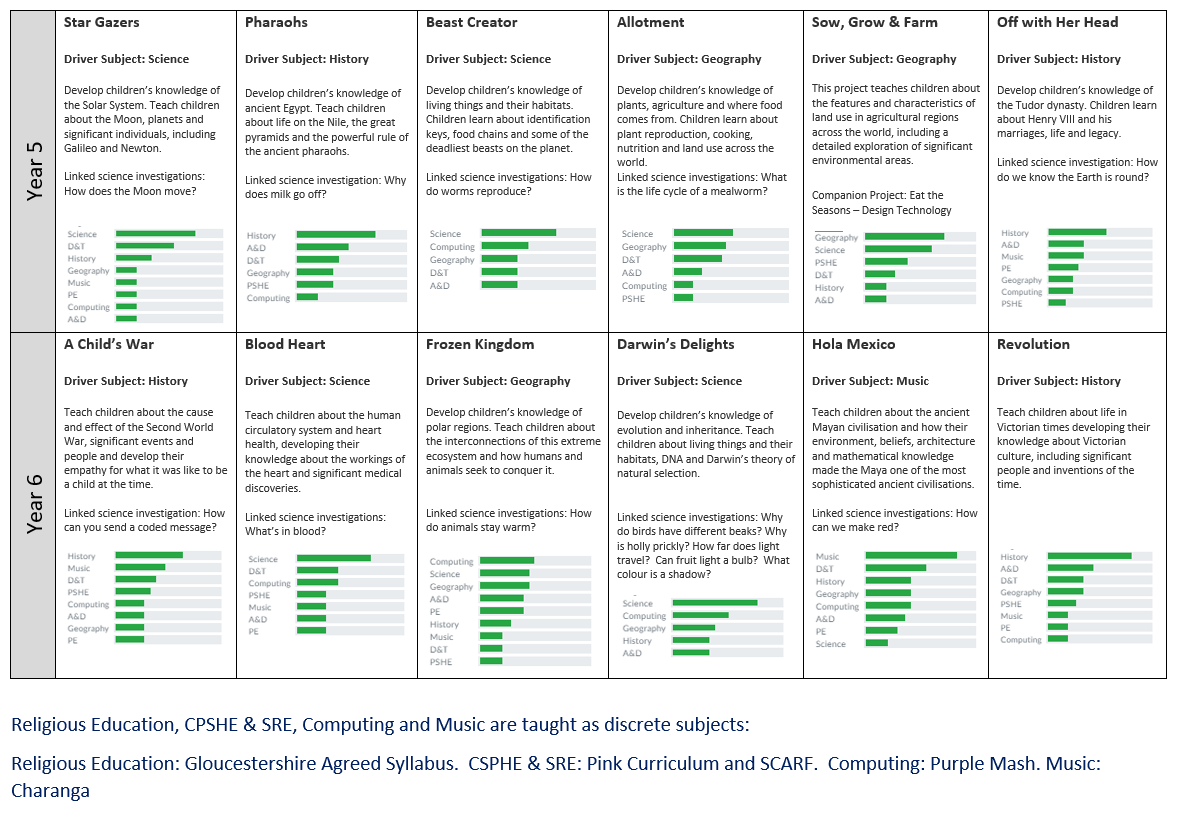
Curriculum Coverage Years 5 and 6
Impact
At Cam Hopton, children are assessed during every lesson, which enables our teachers to plan the next steps for each child. Teachers assess against the learning objectives and the basic knowledge requirements for each year group by providing live feedback throughout the lesson. This enables pupils to make progress within individual lesson and over time. We aim to give children quick and meaningful feedback during lessons and so apart from writing, marking can be minimal (see Feedback and Marking policy).
Children are expected to make good or better progress in all subjects and this individual progress is tracked using the i-Track data system, mathematical 'Remember-it' quizzes and writing/reading learning continuums. Progress is reported to parents and carers at parents’ evenings, mid-year and end of year reports.
Cam Hopton uses triangulated monitoring throughout the year to gauge the impact of curriculum design. Senior Leaders and Subject Leaders monitor individual subjects by: reviewing learning, evaluating pupil voice, providing feedback to move practice forward, celebrating positives and highlighting areas of development that through collaboration and continued professional development are developed and strengthened.
Enjoyment of the curriculum promotes achievement, confidence and good behaviour. Children feel safe to try new things. Pupils are able to work collaboratively with their peers and independently as inquisitive learners, who are motivated to excel and have a thirst for learning. They are able to embrace challenge and to be resilient learners.
Our curriculum will also nurtures our pupils to become good citizens and demonstrate an appreciation for each other, the school community and the world. Our pupils are respectful and show tolerance and acceptance to others with disabilities or from a different race and religion.
The Cornerstones curriculum enables subject leaders to monitor coverage of subject areas across the school, so that teachers can plan to provide the greatest breadth and balance. These strategies enable teachers to plan for intervention and challenge within the wider curriculum.
At Cam Hopton, we will measure the impact of our curriculum through:
- attainment and progress data
- attendance rates
- behaviour
- extra-curricular registers
- pupil questionnaires
- pupil voice
- parent questionnaires
- lesson observations
- curriculum review and sharing good practice with peers